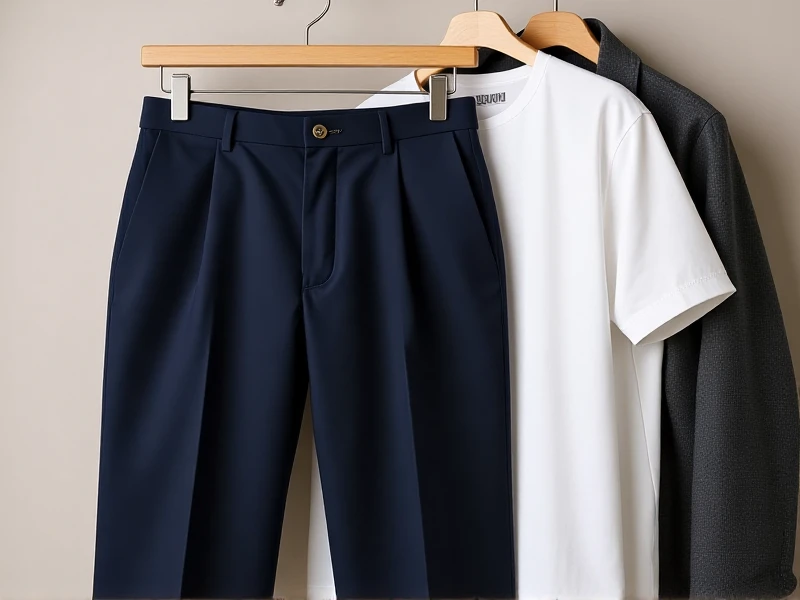
The Future of Sustainable Clothes on Our Planet
It's impossible to imagine daily life without clothes. We wear them for protection, comfort, expression, and identity. Yet, the global fashion industry that supplies these essential garments faces immense pressure to evolve. Increasingly, consumers and makers are turning their focus towards the most crucial aspect of modern fashion: sustainable clothes.
The conventional clothing production model exacts a heavy toll. Massive water consumption, chemical pollution from dyes and treatments, alarming amounts of textile waste ending up in landfills, and significant carbon emissions throughout the supply chain are serious concerns. This highlights the urgent need for a fundamental shift in how we produce and consume our clothing.
Sustainable Clothes: More Than Just a Trend
Sustainable clothing represents a commitment to environmental stewardship and ethical practices. It encompasses numerous principles:
- Ethical Production: Ensuring fair wages, safe working conditions, and humane treatment for every worker involved in creating our clothes.
- Responsible Sourcing: Utilizing materials grown or produced with minimal environmental impact. This includes clothes made from organic cotton (grown without harmful pesticides), linen, hemp, recycled polyester (often from plastic bottles), and innovative fabrics like Tencel™ lyocell.
- Reduced Water & Chemical Use: Manufacturing processes designed to drastically cut water consumption and eliminate the use of toxic dyes and finishes harmful to ecosystems and workers.
- Circularity: Designing clothes for longevity (durability, timeless style) and, crucially, facilitating garment repair, resale, rental, and recycling at their end-of-life.
Innovation Driving Change
Exciting innovations are paving the way for a cleaner future. From plant-based leathers to dyes derived from food waste and advanced recycling techniques that turn old textiles into new, high-quality materials, technology is making truly sustainable clothes increasingly viable and accessible. Pioneering brands are demonstrating that making desirable, ethically-made garments is achievable and scalable.
Your Wardrobe, Your Choice
As the demand for transparency and responsibility grows, sustainable clothing moves powerfully beyond niche status. Consumers hold tremendous power through their purchasing decisions. Choosing brands committed to ethical production, seeking out clothes crafted from eco-friendly materials, embracing second-hand finds, and valuing quality over quantity allow everyone to contribute significantly to a positive shift. Caring for garments properly also extends their life, reducing the overall footprint of your wardrobe.
The journey towards a truly sustainable fashion industry is ongoing. While challenges remain, the collective momentum towards producing clothes that respect both people and the planet offers significant hope. By consciously choosing sustainable clothes, supporting responsible brands, and participating in circular models like repair and resale, every individual can actively shape a more ethical and ecologically sound future for the clothing we all depend on. It's about dressing well without costing the Earth.